
Gastrostasis: Causes, Symptoms, Diagnosis, and Treatment of Gastroparesis and Stomach Stasis
Authored by midosports.com, 06/04/2026
Introduction
The stomach empties its contents into the small intestine at a rate of about 1 to 4 kcal per minute under normal conditions, a process that can grind to a halt in gastrostasis, leaving food to ferment and trigger waves of discomfort. This condition, also known as gastroparesis or gastric gastrostasis, disrupts the stomach's rhythmic contractions, turning meals into prolonged burdens rather than fuel. Patients often face unpredictable bloating, nausea, and malnutrition because stomach stagnation prevents proper nutrient absorption. What starts as occasional unease after eating escalates into chronic fatigue, weight loss, and even life-threatening complications like bezoars—hardened masses of undigested food.
Understanding gastrostasis reveals why standard digestive advice fails here; treatments demand precision, from dietary tweaks to advanced interventions. This article breaks down the mechanisms behind stomach stasis, catalogs gastrostasis symptoms with real-world patterns, explores proven diagnostic paths, and outlines effective gastrostasis treatment strategies. Readers gain actionable insights to recognize early signs, pursue accurate diagnosis, and access therapies that restore stomach motility. Whether managing mild gastric gastrostasis or severe gastroparesis, the information equips you to reclaim control over digestion and daily life. Follow along to master this often-overlooked disorder.
What is Gastrostasis?
Definition and Medical Terminology
Gastrostasis refers to delayed gastric emptying where the stomach fails to propel food forward efficiently. Medical professionals use gastroparesis interchangeably, emphasizing paralysis-like weakness in stomach muscles. Gastric gastrostasis highlights the stomach-specific nature, distinguishing it from broader intestinal issues. Stomach stagnation captures the essence: food lingers, promoting bacterial overgrowth and inflammation.
Pathophysiology: How the Stomach Stops Moving
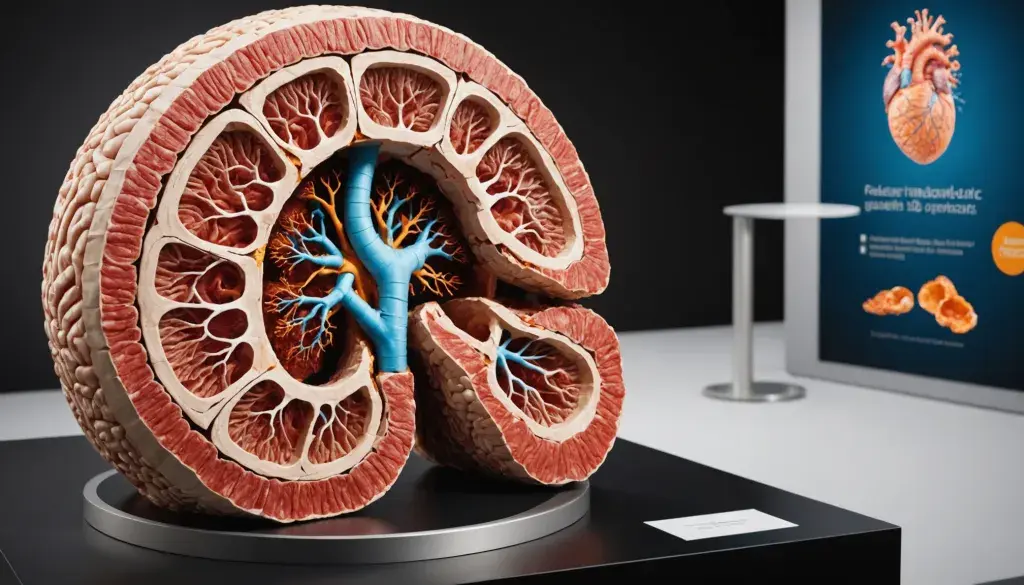
Stomach motility relies on coordinated contractions driven by the vagus nerve, smooth muscle cells, and interstitial cells of Cajal—natural pacemakers. In gastrostasis, damage to these elements halts peristalsis. Vagus nerve injury from diabetes or surgery disrupts signals; autoimmune attacks or viral infections inflame muscles. Result: a flaccid stomach pouch holds undigested matter, fostering gastrostasis symptoms like persistent fullness.
Historical Context and Evolution of Understanding
Physicians first described gastrostasis in the early 20th century through X-ray studies showing retained barium meals. Advances in scintigraphy now quantify emptying rates precisely. Recognition grew with diabetes management, linking high blood sugar to nerve damage and stomach stasis. Modern views integrate hormonal factors like motilin deficiency, refining gastroparesis classification.
Causes of Gastrostasis
Primary Etiologies: Diabetes and Idiopathic Cases
Diabetes tops the list, with chronic hyperglycemia damaging the vagus nerve over years, leading to gastric gastrostasis in up to 50% of long-term cases. Idiopathic gastroparesis accounts for one-third of instances, where no clear trigger emerges despite thorough investigation. These patients often share subtle autoimmune markers or prior viral exposures.
- Diabetic neuropathy impairs nerve conduction to stomach muscles.
- Idiopathic forms link to genetic predispositions in motility genes.
Secondary Causes: Postsurgical and Neurological
Surgery, especially fundoplication or vagotomy, severs nerves critical for stomach emptying, inducing iatrogenic stomach stagnation. Neurological disorders like Parkinson's disease or multiple sclerosis extend brain-gut miscommunication. Medications such as opioids or anticholinergics exacerbate delays by relaxing smooth muscle.
Risk Factors and Precipitating Events
Women face higher incidence, possibly due to hormonal influences on motility. Viral gastroenteritis precedes many idiopathic cases, with norovirus or rotavirus implicated. Aging slows emptying naturally, amplifying risks from polypharmacy or comorbidities. Obesity correlates indirectly through associated diabetes.
Gastrostasis Symptoms
Core Gastrointestinal Manifestations
Gastrostasis symptoms center on postprandial distress: nausea strikes within 30-60 minutes of eating, escalating to vomiting undigested food hours later. Early satiety truncates meals; bloating distends the abdomen visibly. Stomach stagnation breeds upper abdominal pain, sharp or burning, worsened by fatty foods.
Systemic and Nutritional Consequences
Prolonged food retention malabsorbs proteins and vitamins, yielding weight loss and muscle wasting. Fatigue dominates daily function; blood sugar swings challenge diabetics. Severe cases spawn bezoars, obstructing outlets and demanding endoscopic removal.
- Phyllobezoars from indigestible fibers like celery skins.
- Pharmacobezoars from extended-release pills.
Symptom Patterns and Severity Grading
Symptoms fluctuate daily, triggered by large meals or stress. Mild gastrostasis limits discomfort to evenings; moderate forms disrupt sleep with regurgitation. Severe gastroparesis confines patients to liquids, risking dehydration. Tools like the Gastroparesis Cardinal Symptom Index grade intensity for treatment tracking.
Diagnosis of Gastrostasis
Clinical Evaluation and History Taking
Doctors start with symptom timelines: Does vomiting occur hours post-meal? Exclusion rules out mechanical obstruction via endoscopy, revealing no ulcers or tumors. Blood tests flag diabetes or electrolyte shifts fueling stomach stasis.
Gold Standard Tests: Scintigraphy and Wireless Motility Capsule
Gastric emptying scintigraphy tracks radiolabeled eggs, measuring 4-hour retention; over 10% signals gastroparesis. Wireless capsules transit the gut, logging pressure and pH to confirm delayed emptying. Breath tests using 13C-spirulina quantify solids clearance non-invasively.
Advanced Imaging and Manometry
Antroduodenal manometry maps muscle contractions, pinpointing neuropathy. Gastric ultrasound assesses emptying dynamics post-watery meals. MRI enterography rules out mimics like superior mesenteric artery syndrome.
Gastrostasis Treatment Options
Dietary and Lifestyle Modifications
Gastrostasis treatment begins with small, frequent meals low in fat and fiber to ease stomach workload. Liquid diets—pureed soups, smoothies—bypass grinding needs. Posture matters: remain upright 90 minutes after eating to harness gravity against gastric gastrostasis.
- Avoid carbonated drinks and alcohol, which distend the stomach.
- Chew thoroughly; opt for Bariatric-sized portions.
Pharmacological Interventions
Prokinetics like metoclopramide stimulate motility by blocking dopamine, though side effects limit use. Erythromycin mimics motilin, accelerating emptying short-term. Antiemetics control nausea; buspirone aids refractory cases via serotonin pathways.
Device-Based and Surgical Therapies
Gastric electrical stimulation—pacing devices implanted surgically—reduces vomiting in 70% of severe gastroparesis patients. Botulinum toxin injections relax pyloric sphincter temporarily. Pyloroplasty or gastrostomy venting offers relief when medications fail. For tez888 x followers seeking real-time insights on such innovations, check tez888 x for cutting-edge discussions.
Emerging Therapies and Symptom Management
Endoscopic therapies like G-POEM (gastric peroral endoscopic myotomy) widen the pylorus durably. Cannabis derivatives show promise for nausea control. Multidisciplinary care integrates nutritionists, psychologists for pain coping, and endocrinologists for glycemic stability.
Prognosis and Long-Term Management
Factors Influencing Outcomes
Idiopathic cases respond best to treatment, often improving spontaneously. Diabetic gastrostasis tracks glycemic control; tight management halves emptying delays. Duration matters: chronic stomach stagnation hardens fibrosis, resisting therapy.
Monitoring and Follow-Up Strategies
Quarterly scintigraphy assesses progress. Symptom diaries guide adjustments. Nutrient screening prevents deficiencies in B12, iron from malabsorption.
Living with Chronic Gastrostasis
Patients adapt via meal planning apps and support groups. Exercise post-meals aids transit. Mental resilience counters isolation from social dining.
Is gastrostasis the same as gastroparesis?
Yes, gastrostasis and gastroparesis describe identical delayed gastric emptying. Terms vary by region; gastric gastrostasis specifies stomach involvement. All point to motility failure without obstruction.
Can diet alone cure gastrostasis?
Diet controls symptoms effectively in mild cases but rarely cures underlying nerve or muscle damage. Combine with prokinetics for best emptying rates. Track response via repeat scintigraphy.
How long does recovery take from viral-induced stomach stagnation?
Many recover fully within 6-12 months as inflammation subsides. Persistent cases need motility agents. Monitor with capsules to confirm normalization.
Does stress worsen gastrostasis symptoms?
Stress slows emptying via vagal inhibition and cortisol spikes. Biofeedback or low-dose antidepressants mitigate this. Consistent routines stabilize fluctuations.
Are there natural remedies for gastrostasis treatment?
Ginger tea reduces nausea mildly; peppermint relaxes spasms. Evidence lacks for cures. Use adjunctively with prescribed prokinetics.
When is surgery necessary for gastroparesis?
Reserve for refractory vomiting, bezoars, or malnutrition unresponsive to meds/devices. Pyloroplasty succeeds in 80% with pyloric dysfunction confirmed by manometry.