
Bicep Dumbbells: Exercises
Authored by midosports.com, 24/12/2025
Unlocking the Power of Your Biceps with Dumbbells
Have you ever caught yourself admiring those sculpted arms in the mirror, wondering how to get your biceps to pop without spending hours in the gym? If so, you're not alone. Many fitness enthusiasts and beginners alike face the challenge of finding effective, straightforward workouts that build impressive biceps without complicated equipment or routines. Dumbbells, often underestimated, are actually one of the most versatile and accessible tools to transform your arm training.
But here’s the catch: it’s not just about lifting weights; it’s about mastering the right exercises for biceps with dumbbells that target those muscles in a way that yields real results. The frustration of trying endless routines with minimal gains is a familiar story. You might be doing a biceps exercise with dumbbells every gym day, yet your arms still don’t look the way you envisioned. This is where understanding the nuances of dumbbell exercises for biceps can make a world of difference.
Interestingly, this dilemma is similar to what many face in seemingly unrelated fields—take for instance the world of sports betting. Just as beginners often ask what is online sports betting and how to approach it thoughtfully rather than haphazardly, fitness enthusiasts need a clear, strategic plan to get the most from their workouts. Without a solid foundation and proper guidance, both pursuits can feel confusing and overwhelming.
The Road to Stronger, More Defined Biceps Starts Here
So, what makes dumbbell exercises for biceps so effective? For starters, dumbbells allow a full range of motion and engage stabilizing muscles more than machines or barbells. This means that each repetition not only targets the biceps brachii but also recruits supporting muscles, resulting in better strength and definition.
However, the secret lies in technique and variety. Simply curling dumbbells up and down won’t get you the best bang for your buck. Incorporating different angles, grips, and tempos challenges your muscles in new ways, preventing plateaus and encouraging continuous growth.
In this article, we’ll explore some of the best and most efficient dumbbell exercises for biceps, explaining how to perform them correctly, common mistakes to avoid, and tips to tweak the workouts for your personal fitness level. Whether you’re a beginner looking for a solid starting point or a seasoned lifter aiming to fine-tune your arm routine, the insights here will help you lift smarter, not just heavier.
Comprehensive Guide to Bicep Dumbbells: Exercises and Techniques
What Are the Best Exercises for Biceps with Dumbbells?
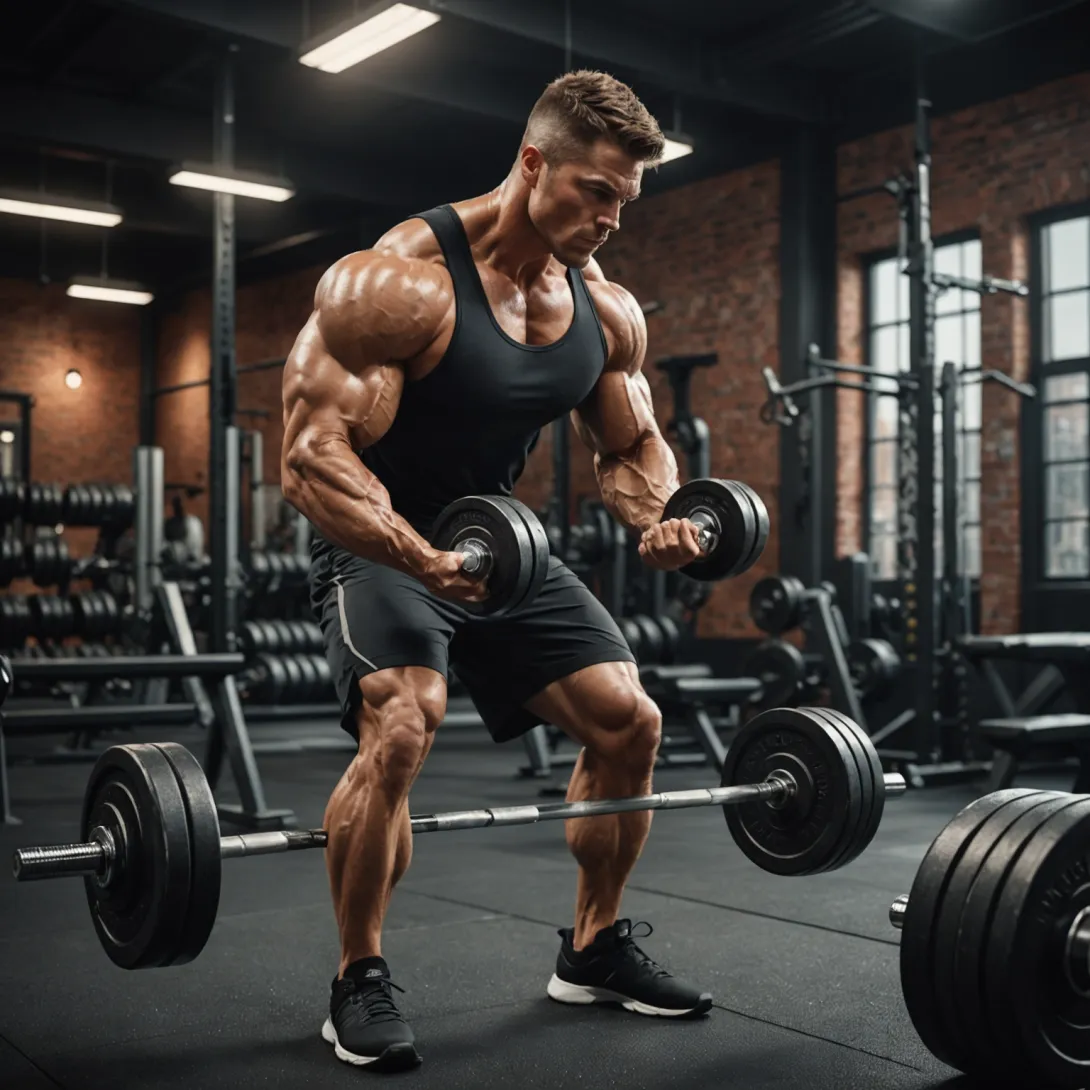
When it comes to building strong, well-defined biceps, dumbbells offer a versatile and effective tool. Exercises for biceps with dumbbells can target different parts of the muscle, improve strength imbalances between arms, and enhance muscle coordination. The most popular biceps exercise with dumbbells is the classic dumbbell curl, but there are many variations and complementary movements that increase muscle engagement.
Some of the top dumbbell exercises for biceps include:
- Dumbbell Bicep Curl: The foundational movement, performed by curling the dumbbells upward while keeping the elbows stationary. This targets the biceps brachii primarily.
- Hammer Curl: Holding the dumbbells with a neutral grip (palms facing each other), this exercise emphasizes the brachialis muscle, which lies beneath the biceps and adds to overall arm thickness.
- Concentration Curl: Done seated with the arm braced against the inner thigh, this isolates the biceps for maximum contraction and focus.
- Incline Dumbbell Curl: Performed on an incline bench, this variation stretches the long head of the biceps, encouraging a greater range of motion and muscle activation.
- Zottman Curl: Combining a regular curl with a reverse curl on the way down, it effectively targets both the biceps brachii and the forearm muscles.
Why Use Dumbbells for Biceps Training?
Dumbbells provide unique advantages over barbells or machines when it comes to biceps training. Since each arm works independently, dumbbells help correct muscular imbalances and promote balanced development. They also allow for a greater range of motion and natural movement patterns, reducing joint stress and enhancing muscle activation.
According to a 2020 study published in the Journal of Strength and Conditioning Research, unilateral dumbbell exercises demonstrated superior muscle activation in the biceps compared to bilateral barbell exercises, highlighting the importance of incorporating dumbbells into your routine for optimal growth.
How to Perform Dumbbell Exercises for Biceps Safely and Effectively
Proper form is essential to maximize the benefits of biceps exercises with dumbbells and prevent injury. Here are some key tips:
- Control the Movement: Avoid using momentum or swinging your body. Perform curls slowly and deliberately to engage the muscle fully.
- Keep Elbows Stationary: The elbows should stay close to your torso and not move forward or backward during curls to isolate the biceps.
- Choose Appropriate Weight: Use a weight that challenges your muscles but allows you to maintain good form for 8–12 repetitions.
- Maintain a Neutral Wrist Position: Avoid bending your wrists to prevent strain and ensure the force is directed through your biceps.
- Include Progressive Overload: Gradually increase the weight or number of repetitions over time to continue muscle growth.
Sample Dumbbell Biceps Routine for Beginners and Intermediates
To build strength and size effectively, it’s beneficial to combine various dumbbell exercises for biceps into a routine. Here's a balanced workout example:
- Dumbbell Bicep Curl: 3 sets of 10–12 reps
- Hammer Curl: 3 sets of 10–12 reps
- Incline Dumbbell Curl: 3 sets of 8–10 reps
- Concentration Curl: 2 sets of 12 reps per arm
Rest 60–90 seconds between sets. Performing this routine 2–3 times per week can lead to noticeable improvements in biceps size and strength within 6–8 weeks, provided you complement it with adequate nutrition and recovery.
Common Questions about Biceps Exercise with Dumbbells
Can Dumbbell Exercises for Biceps Help with Muscle Symmetry?
Yes, because dumbbells require each arm to work independently, they help in identifying and correcting strength or size imbalances. This leads to more symmetrical muscle development compared to barbell exercises where the dominant side may compensate for the weaker one.
How Often Should I Train My Biceps Using Dumbbells?
For most individuals, training biceps 2–3 times per week with at least 48 hours of rest between sessions is optimal. Overtraining can hinder recovery and muscle growth. Integrating dumbbell exercises for biceps into an overall balanced workout plan ensures sustainable progress.
Are Dumbbell Curls Better Than Barbell Curls?
Both have their place in a training program. Dumbbell curls offer greater range of motion and unilateral training benefits, while barbell curls allow for heavier loading. Incorporating both can provide comprehensive biceps development.
Conclusion
Using dumbbells for biceps training offers versatility, improved muscle balance, and effective muscle activation. Incorporating a variety of exercises for biceps with dumbbells ensures comprehensive development by targeting different muscle heads and angles. Prioritizing proper form, progressive overload, and recovery will maximize your results and reduce injury risk. Whether you're a beginner or an experienced lifter, dumbbell exercises for biceps should be a staple in your workout routine.