
Bulgarian Split Squats: Perfect Exercise Technique for Stronger Legs
Authored by midosports.com, 27/02/2026
Introduction
A single-leg squat variation like the Bulgarian split squat exposes imbalances that bilateral exercises hide. Rear-foot elevation shifts weight forward, demanding stability from the front leg's glutes, quads, and core while the back leg assists minimally. Fitness enthusiasts overlook this unilateral move at their peril; it builds strength asymmetrically, corrects posture flaws, and accelerates athletic performance. Many lifters chase heavier barbell squats, yet Bulgarian split squats deliver superior muscle activation in the working leg—studies show up to 20% greater glute engagement compared to standard lunges.
This article breaks down the Bulgarian split squat technique step by step. Readers discover precise setup cues, common errors to sidestep, and progressions including Bulgarian split squats with dumbbells. Whether you aim to boost lower-body power or rehabilitate after injury, mastering this exercise transforms training routines. Expect actionable advice drawn from biomechanics principles: foot placement affects knee torque, torso angle influences shear forces, and load progression prevents plateaus. By the end, you execute Bulgarian split squats flawlessly, maximizing gains while minimizing risk.
Trainers recommend integrating Bulgarian split squats early in leg days for freshness. The exercise suits home gyms or commercial facilities alike—no squat rack required. Variations like Bulgarian split squats with dumbbells add intensity without complexity. Focus here sharpens movement quality, setting a foundation for advanced training.
Muscles Targeted by Bulgarian Split Squats
Primary Movers
The Bulgarian split squat primarily activates the quadriceps of the front leg. Glutes fire intensely during the ascent, extending the hip against gravity. As the rear foot rests elevated, the front leg bears nearly full load, emphasizing unilateral strength.
Secondary Stabilizers
Core muscles, including obliques and transverse abdominis, stabilize the torso against forward lean. Hamstrings of both legs control descent eccentrically. Calves in the front leg plantarflex to initiate the push-off.
Benefits for Imbalances
This setup reveals dominant-side favoritism. Weaker legs catch up over sessions, promoting symmetry. Athletes gain from enhanced single-leg power transfer to sports like running or jumping.
Equipment and Setup for the Bulgarian Split Squat
Basic Requirements
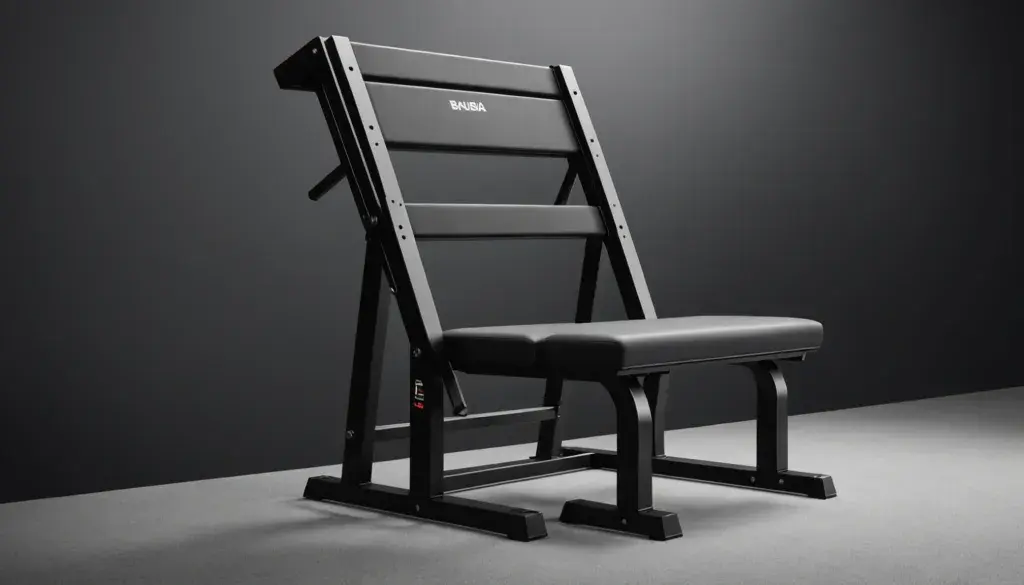
A sturdy bench or box 12-18 inches high serves as the rear-foot platform. Wear flat-soled shoes for ground feel. Bodyweight starts the movement; advance to Bulgarian split squats with dumbbells held at sides.
Space and Safety Checks
Clear 6 feet of floor space ahead. Test bench stability by pressing down hard. Position away from walls or mirrors to avoid awkward glances mid-set.
- Adjust height lower for beginners to reduce stretch.
- Pad bench edges if bony prominences contact during reps.
- Reserve space for forward knee travel.
Step-by-Step Technique Guide
Starting Position
Stand facing away from the bench, feet hip-width. Place rear foot's laces on the bench top. Step front foot forward until thigh is parallel to ground in the bottom position—about 2-3 feet from bench base.
Descent Phase
Lower by bending front knee, keeping torso upright. Rear knee drops toward floor without touching. Front shin stays near vertical; drive heel into ground.
Ascent and Lockout
Push through front midfoot to rise. Fully extend knee and hip at top without drifting forward. Maintain control; pause briefly before next rep.
- Elbows tucked if using dumbbells.
- Neutral spine—no lumbar arch.
- Breathe in descent, out ascent.
Common Mistakes and Corrections
Forward Knee Drift
Lifters let the front knee cave inward or shoot too far over toes, stressing joints. Correct by widening stance slightly and focusing heel pressure. This keeps tibia aligned.
Torso Lean
Leaning excessively forward shifts load to quads, robbing glutes. Cue chest up and ribs down. Video self-checks confirm upright posture.
Uneven Depth
Reps vary when back knee touches prematurely. Use a marker on floor for consistent thigh parallelism. Build mobility gradually.
Progressions and Bulgarian Split Squats with Dumbbells
Bodyweight Mastery First
Perfect form unloaded before adding weight. Aim for 3 sets of 8-12 reps per leg without wobble.
Adding Dumbbells
Grip dumbbells at sides for Bulgarian split squats with dumbbells. Start light—20-30 pounds each—to preserve technique. Goblet hold alternatives engage core more.
Advanced Variations
Elevate front foot for greater range. Deficit setups deepen stretch. Tempo drops, like 4-second eccentrics, amplify tension.
- Overhead holds challenge stability.
- Pause at bottom for strength.
- Single dumbbell contralateral loading corrects asymmetries.
Programming Bulgarian Split Squats
Frequency and Volume
Include twice weekly, post-squats or as main lift. 3-4 sets of 6-15 reps suit most. Rest 90-120 seconds between legs.
Integration into Workouts
Pair with hip thrusts for glute focus. Alternate legs weekly to prioritize weak side. Track reps to force progression.
Recovery Considerations
Expect soreness first weeks; foam roll quads. Pair with mobility drills for ankles and hips.
Frequently Asked Questions
Are Bulgarian split squats better than lunges?
Bulgarian split squats offer more stability from rear elevation, allowing heavier loads and better focus on the front leg. Lunges demand dynamic balance, suiting different goals. Choose based on equipment and stability level.
How high should the bench be for Bulgarian split squats?
Standard height is 12-16 inches for most adults. Taller individuals use 18 inches; shorter ones drop to 10. Test so back knee hovers 1-2 inches above floor at bottom.
Can beginners do Bulgarian split squats with dumbbells?
Master bodyweight first for 4 weeks. Then introduce light Bulgarian split squats with dumbbells, 10-15 pounds. Prioritize form over weight.
Why do my knees hurt during Bulgarian split squats?
Pain signals poor tracking or excessive forward knee travel. Strengthen vastus medialis with terminal knee extensions. Reduce depth temporarily and film form.
How many reps per leg for Bulgarian split squats?
Strength: 4-6 reps. Hypertrophy: 8-12. Endurance: 15+. Alternate emphasis weekly; weaker leg gets extra sets.
What's the difference between Bulgarian split squat and split squat?
Bulgarian split squat elevates rear foot on a bench for deeper stretch and isolation. Regular split squat keeps both feet grounded, resembling a static lunge.