
Fitness at Home: Complete Guide to Home Workouts, Exercises, Equipment, and Training Programs
Authored by midosports.com, 06/04/2026
Introduction
Busy schedules and gym memberships demand time and money most people lack. Home spaces offer a direct solution: turn any room into a training zone with bodyweight moves and minimal gear. Fitness at home delivers results comparable to commercial facilities when structured right. Readers discover practical home workouts that build strength, endurance, and flexibility without travel or crowds.
This guide covers exercises at home for all levels, from beginners to advanced. It explains essential sports equipment that fits small apartments, designs workout programs tailored to goals like fat loss or muscle gain, and links fitness health to daily routines. Expect step-by-step breakdowns, common pitfalls to avoid, and evidence-based tips drawn from exercise physiology. By the end, readers gain a complete system for sustainable fitness health through home workouts. Professionals endorse this approach—studies show consistent home training boosts adherence rates by 40% over gym routines, as participants control their environment and schedule.
Start with foundational principles, then select gear, master key exercises, build programs, track progress, and sustain motivation. This structure ensures fitness at home becomes a lifelong habit, not a fleeting effort.
Benefits of Fitness at Home
Convenience and Accessibility
Home workouts eliminate commute time and allow training at peak energy hours. Set up sessions during lunch breaks or evenings without waiting for equipment. This flexibility suits parents, remote workers, and shift employees, making fitness health a seamless part of life.
Cost Savings Over Time
Gym fees average $50 monthly, while home setups cost under $200 initially. Skip ongoing dues and focus funds on quality sports equipment. Long-term, individuals save thousands, redirecting resources to nutrition or advanced workout programs.
Privacy and Customization
Train without judgment in a personal space tailored to preferences. Adjust lighting, music, and intensity freely. Privacy reduces self-consciousness, especially for beginners learning exercises at home.
Health Outcomes Supported by Research
Regular fitness at home lowers blood pressure, improves sleep, and strengthens immunity. Meta-analyses confirm bodyweight routines match machine-based ones for cardiovascular gains. Mental benefits include reduced stress through endorphin release during home workouts.
Essential Sports Equipment for Home Workouts
Bodyweight Basics: No Gear Required
Push-ups, squats, and planks form the core of exercises at home. These leverage gravity for resistance, targeting full-body strength. Beginners progress by varying tempo or adding pauses.
Versatile Additions Under $50
Resistance bands provide adjustable tension for pulls and presses. Jump ropes build cardio endurance in minutes. Yoga mats cushion floors and support balance work, essential for safe home workouts.
Compact Strength Builders
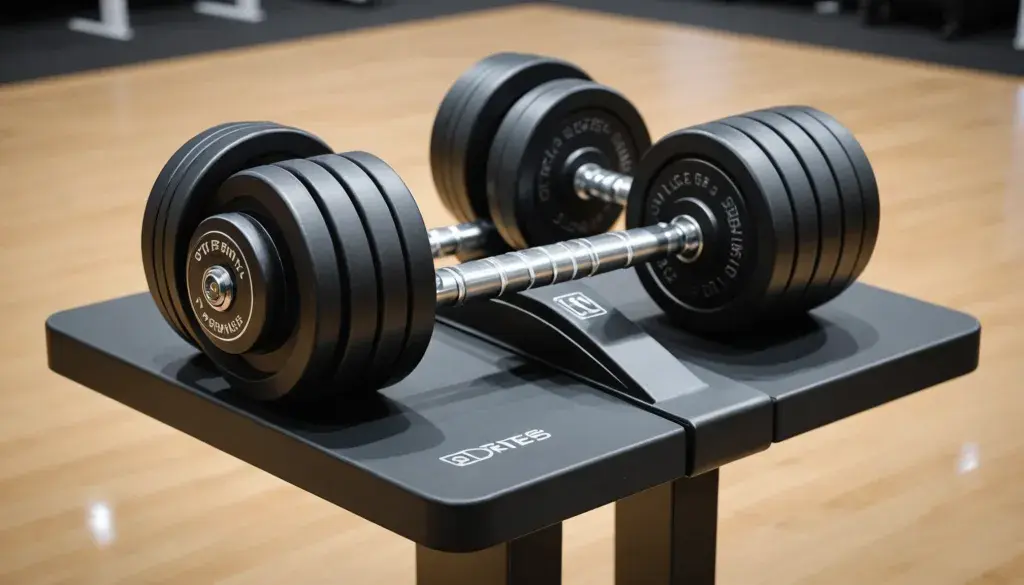
Adjustable dumbbells replace full rack sets, saving space. Pull-up bars mount on doorframes for back and arm development. Kettlebells enable swings and goblet squats in workout programs.
Maintenance and Safety Tips
- Inspect bands for tears before each use.
- Secure bars to withstand body weight.
- Store gear in dedicated bins to prevent clutter.
Proper care extends equipment life and prevents injuries during fitness at home sessions.
Key Exercises at Home for Full-Body Fitness
Upper Body Strength Builders
Diamond push-ups hit triceps and chest deeply. Inverted rows using a table edge target back muscles. Pike push-ups mimic overhead presses for shoulders.
Lower Body Power Moves
Bulgarian split squats build unilateral leg strength. Pistol squats challenge balance and quads. Glute bridges activate posterior chains effectively.
Core and Stability Work
Plank variations like side and forearm hold anti-rotation. Leg raises engage lower abs. Russian twists with a water bottle add resistance.
Cardio Integrations
Burpees combine squat, push-up, and jump for metabolic boost. Mountain climbers elevate heart rate while strengthening core. High knees mimic running without space.
Designing Effective Workout Programs
Beginner Program: Build Foundations
Three sessions weekly, 30 minutes each. Circuit of 10 push-ups, 15 squats, 20-second plank; repeat three rounds. Rest one day between for recovery, focusing on form in home workouts.
Intermediate Progression
Four days, 45 minutes. Alternate upper/lower splits: pull-ups, lunges, dips. Add supersets to increase intensity within fitness at home constraints.
Advanced Customization
Five to six days with periodization. Incorporate HIIT bursts and heavy kettlebell lifts. Track volume weekly to avoid plateaus in workout programs.
Goal-Specific Adjustments
- Fat loss: Extend cardio finishers.
- Muscle gain: Slow eccentrics, higher reps.
- Endurance: Circuit minimal rest.
Tracking Progress and Nutrition for Fitness Health
Simple Measurement Tools
Log reps, weights, and times in a notebook or app. Weekly photos and tape measures reveal changes beyond the scale. Test max push-ups monthly for objective gains.
Nutrition Foundations
Protein at 1.6 grams per kg bodyweight supports muscle repair from exercises at home. Whole foods like eggs, oats, and vegetables fuel energy. Hydrate with half bodyweight in ounces daily.
Recovery Strategies
Sleep seven to nine hours nightly. Active rest days include walks. Foam rolling eases soreness from intense home workouts.
Common Progress Pitfalls
Avoid overtraining by listening to fatigue signals. Scale nutrition with activity levels. Consistency trumps perfection in fitness health journeys.
Sustaining Long-Term Motivation
Habit Stacking Techniques
Pair workouts with coffee rituals or post-dinner routines. Small daily wins build momentum for fitness at home.
Variety to Prevent Boredom
Rotate exercises at home every four weeks. Try yoga flows or dance cardio. Novelty keeps workout programs engaging.
Accountability Systems
Partner with a friend for virtual check-ins. Join online communities sharing home workouts. Set quarterly challenges with rewards.
Mindset Shifts
View setbacks as data, not failures. Celebrate non-scale victories like better sleep or energy. Long-term fitness health rewards persistence.
How often should I do home workouts?
Aim for three to five sessions weekly, depending on fitness level. Beginners start with three non-consecutive days; advanced trainees add volume. Include rest or light activity to prevent burnout.
What if I have no sports equipment?
Bodyweight exercises at home suffice for all major muscle groups. Use household items like backpacks for added resistance or stairs for step-ups. Progress through variations before buying gear.
Can fitness at home really build muscle?
Yes, progressive overload via slower tempos, one-limb focus, or pauses drives hypertrophy. Combine with protein-rich meals for results matching gym training. Consistency over months yields visible gains.
How do I avoid injury during exercises at home?
Warm up five minutes with dynamic moves like arm circles. Master form via mirrors or videos. Stop if pain arises beyond normal fatigue, and incorporate mobility work weekly.
What's the best workout program for weight loss?
HIIT circuits three times weekly, paired with strength days. Keep sessions under 45 minutes to sustain adherence. Deficit calories through whole foods amplify fat loss while preserving muscle.
Do I need a lot of space for home workouts?
No, a 6x6 foot area works for most exercises at home. Clear furniture for circuits; use walls for support in planks or handstands. Outdoor patios expand options seasonally.